Running an online business means dealing with digital payments every single day. Whether you’re selling handmade crafts, software subscriptions, or professional services, your customers expect smooth, secure checkout experiences. But have you ever wondered what happens behind the scenes when someone clicks “Buy Now” on your website?
At the heart of every successful e-commerce operation lies a critical but often misunderstood component: the merchant account. Many new business owners confuse merchant accounts with payment processors, gateways, or even basic business bank accounts. This confusion can lead to poor decisions, unexpected fees, and frustrated customers abandoning carts.
This guide breaks down exactly what an e-commerce merchant account is, why your online business needs one, and how it works in practice. We’ll cut through the technical jargon and help you understand this essential financial tool in clear, straightforward terms. By the end, you’ll have the knowledge to make informed decisions about your payment infrastructure and set your business up for long-term success.
Key Takeaways – By reading this article, you’ll gain clarity on
1. The fundamental definition and purpose of an e-commerce merchant account
2. Why online businesses need merchant accounts to accept digital payments
3. How merchant accounts work behind the scenes during online transactions
4. The clear distinction between merchant accounts and payment gateways
5. Key features that make merchant accounts essential for e-commerce operations
6. Common challenges business owners face when setting up merchant accounts
7. Best practices for choosing and managing your merchant account
8. Real-world scenarios where merchant accounts prove most valuable
9. Regulatory and compliance considerations for payment processing
10. Practical next steps for implementing payment solutions in your online store
What Is an E-commerce Merchant Account?
An e-commerce merchant account is a specialized type of business bank account that allows online retailers to accept and process credit card and debit card payments from customers. Think of it as a temporary holding space where funds from customer transactions are verified, processed, and eventually transferred to your regular business bank account.
Unlike a standard business checking account where money sits indefinitely, a merchant account serves a specific transactional purpose. When a customer makes a purchase on your website, the payment doesn’t go directly to your bank. Instead, it flows through your merchant account first, where it undergoes security checks, fraud screening, and processing before being settled into your actual business account—usually within 1-3 business days.
The Core Function
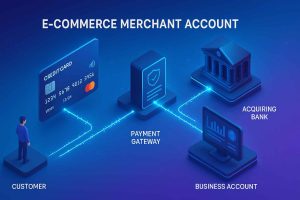
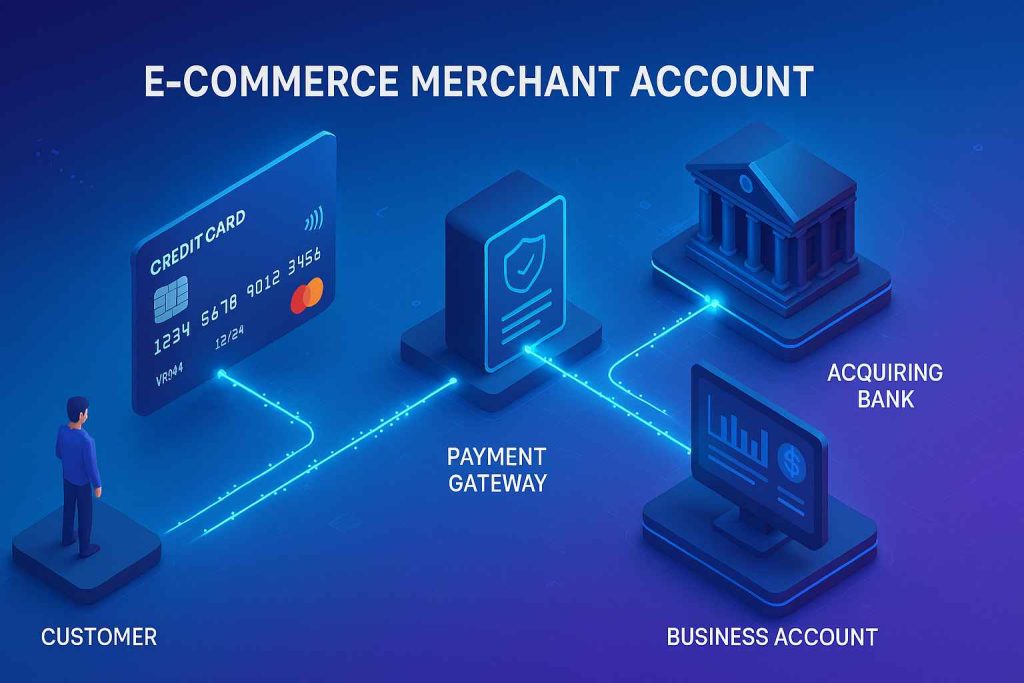
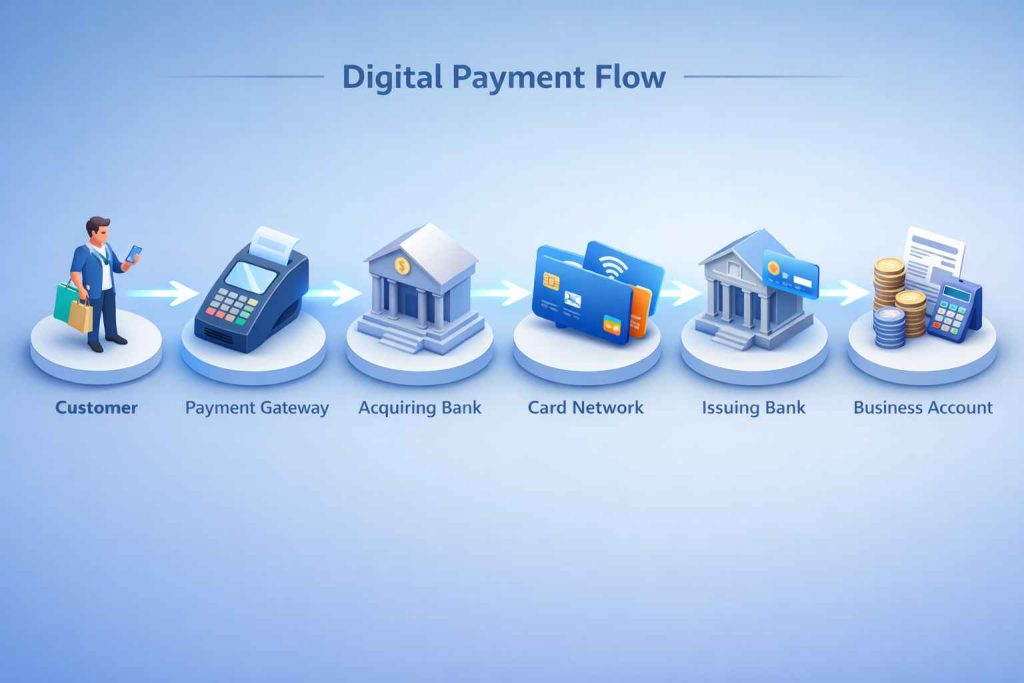
The primary job of a merchant account is to facilitate the movement of money between your customer’s card-issuing bank and your business bank account. This process involves multiple parties working together:
- The customer initiates a purchase using their credit or debit card
- The merchant account receives and temporarily holds the transaction data
- The acquiring bank (your merchant services provider) processes the payment request
- The card network (Visa, Mastercard, etc.) routes the authorization request
- The issuing bank (customer’s bank) approves or declines the transaction
- Settlement occurs when approved funds transfer from the merchant account to your business account
This entire process happens in seconds, but it involves sophisticated security protocols, risk assessment algorithms, and regulatory compliance checks that protect both you and your customers.
Unlock Faster International Payment Approvals
Unlock smooth and secure international payments with our platform. Experience faster approvals, easy setup, and comprehensive support for global transactions. Take your business to new markets without delays or complicated processes.
Get Started NowWhy “E-commerce” Specifically?
The “e-commerce” designation matters because online transactions carry higher risk than in-person sales. When you can’t physically see a customer’s card or verify their identity face-to-face, fraud potential increases. E-commerce merchant accounts are specifically structured to handle these card-not-present (CNP) transactions with enhanced security measures.
These accounts typically include features like:
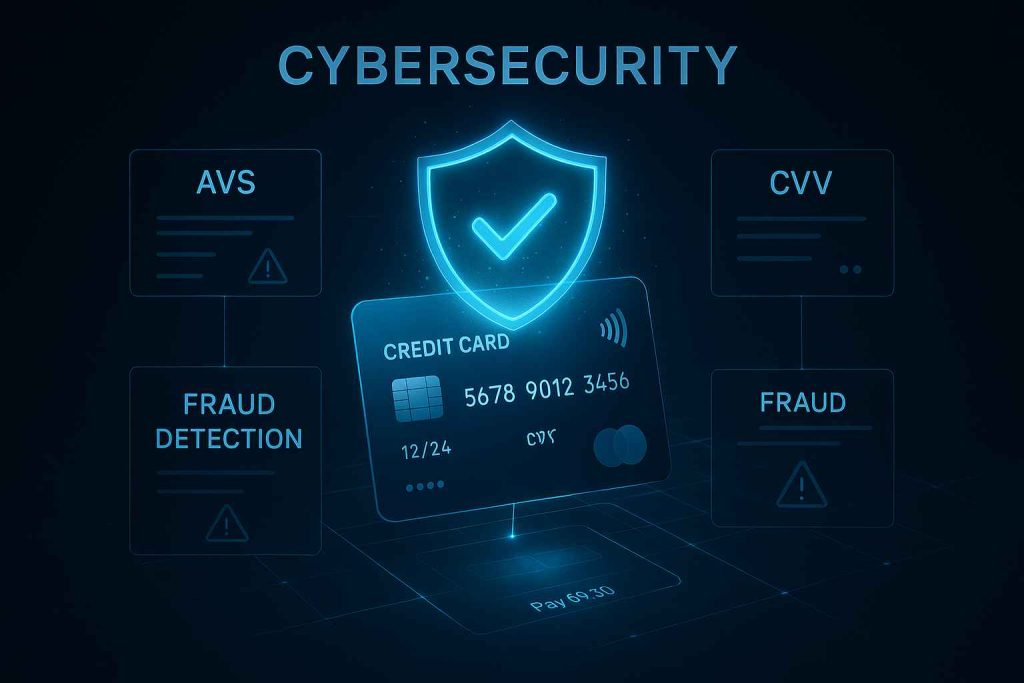
- Address Verification Service (AVS) to match billing addresses
- Card Verification Value (CVV) checks for additional authentication
- Fraud detection tools that flag suspicious purchasing patterns
- Chargeback management systems to handle disputed transactions
- PCI DSS compliance support to protect sensitive payment data
Standard retail merchant accounts designed for brick-and-mortar stores don’t include these specialized e-commerce protections, which is why online businesses need accounts tailored to digital commerce.
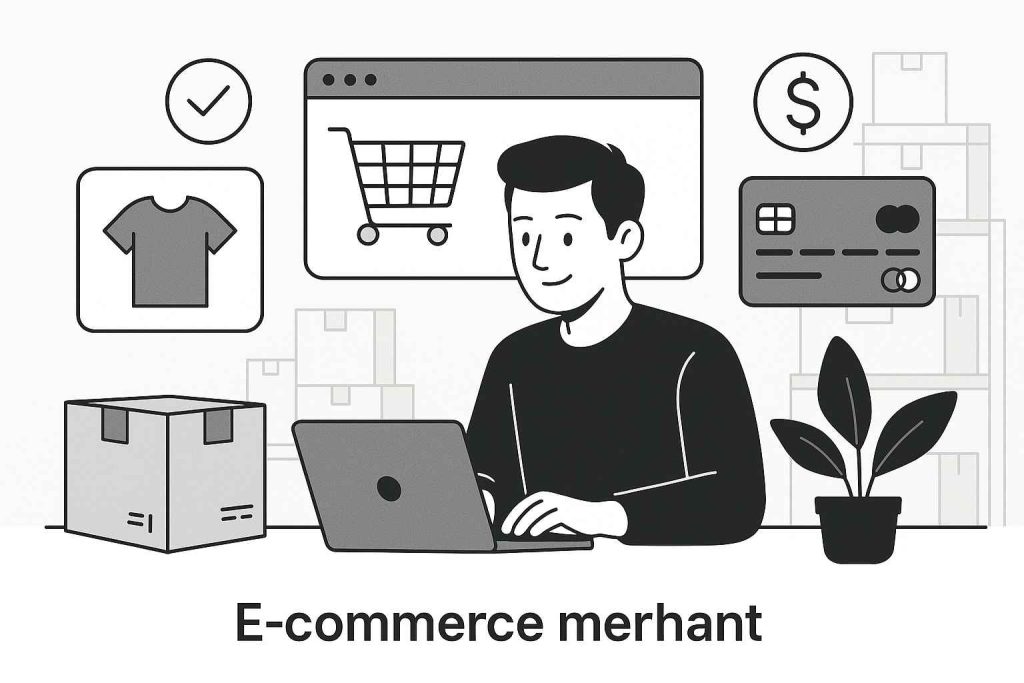
Why Do Online Businesses Need a Merchant Account?
The simple answer: without a merchant account, you cannot accept credit or debit card payments online. In today’s digital economy, where electronic payments dominate consumer spending, limiting your business to cash, checks, or wire transfers would dramatically restrict your potential customer base.
Customer Expectations and Market Standards
Modern consumers expect seamless payment options. Research consistently shows that businesses offering multiple payment methods experience higher conversion rates and larger average order values. When customers reach your checkout page and find convenient, secure payment options, they’re more likely to complete their purchase.
A merchant account enables you to:
- Accept all major credit cards (Visa, Mastercard, American Express, Discover)
- Process debit card transactions
- Handle recurring billing for subscription-based services
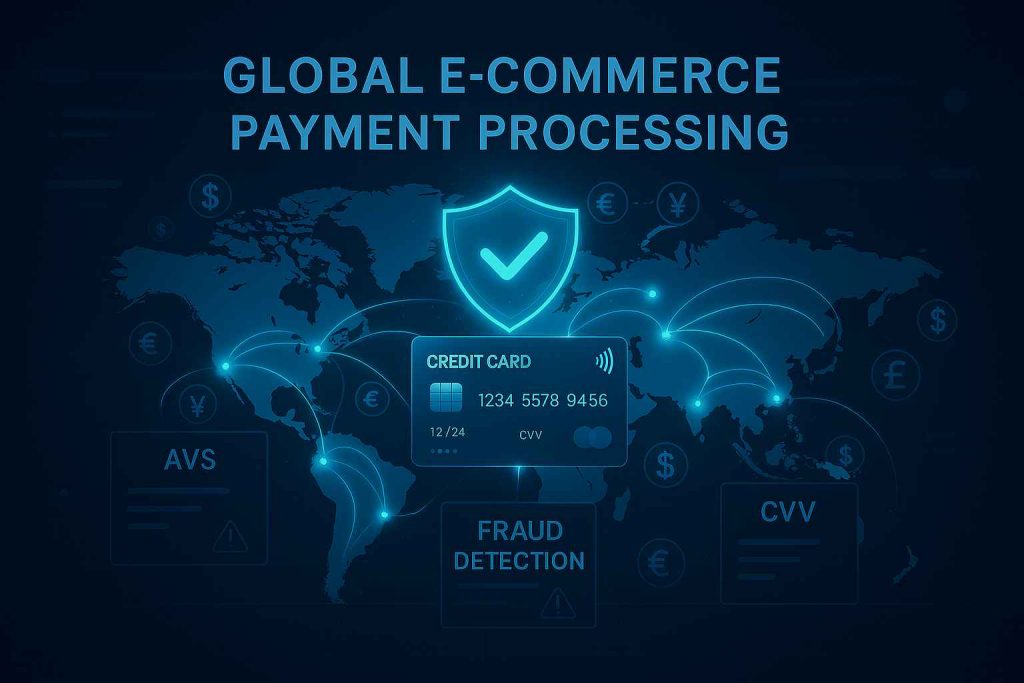
- Manage international payments in multiple currencies
- Provide mobile-optimized checkout experiences
Without this infrastructure, you’d be forced to rely on alternative payment methods that many customers find inconvenient or untrustworthy, potentially losing sales to competitors with better payment options.
Legal and Financial Legitimacy
Merchant accounts also establish your business as a legitimate, professional operation. Payment processors and acquiring banks conduct thorough background checks, business verification, and risk assessments before approving merchant accounts. This vetting process signals to customers that you’re a real business operating within regulatory frameworks.
Additionally, merchant accounts provide:
- Transaction records for accounting and tax purposes
- Dispute resolution processes through official channels
- Chargeback protection with proper documentation systems
- Fraud liability management that clarifies responsibility
- Regulatory compliance with payment industry standards
These features protect both your business and your customers, creating the trust necessary for successful online commerce.
Operational Efficiency and Growth
As your business scales, a dedicated merchant account becomes even more critical. It enables automated payment processing, integrates with inventory management systems, supports multiple sales channels (website, mobile app, marketplaces), and provides detailed analytics about customer purchasing behavior.
For businesses offering services through specialized payment solutions, having the right merchant account infrastructure ensures smooth operations and satisfied customers.
How Does an E-commerce Merchant Account Work?
Understanding the payment flow helps demystify what might seem like a complex process. Let’s walk through what happens from the moment a customer clicks “Purchase” to when money arrives in your business bank account.
Step 1: Customer Initiates Payment
Your customer adds items to their cart and proceeds to checkout. They enter their payment card information—card number, expiration date, CVV code, and billing address. This sensitive data is immediately encrypted using Secure Sockets Layer (SSL) technology before being transmitted anywhere.
Step 2: Payment Gateway Captures Information
Here’s where many people get confused. The payment gateway (we’ll discuss this more shortly) acts as the digital equivalent of a credit card terminal. It securely captures the encrypted payment information and prepares it for processing. Think of the gateway as the messenger that carries payment data between your website and your merchant account.
Step 3: Authorization Request
Your merchant account receives the encrypted transaction data and forwards an authorization request through the payment network. This request travels to the customer’s card-issuing bank, which checks:
- Does this card account exist and is it active?
- Are sufficient funds or credit available?
- Does the transaction match normal spending patterns (fraud check)?
- Do the CVV and billing address match records?
This authorization process typically takes 2-3 seconds.
Step 4: Approval or Decline
The issuing bank sends back an authorization code (approved) or a decline message with a reason code. Approved transactions receive a unique authorization number that proves the bank has agreed to guarantee payment. Your merchant account records this authorization and holds the transaction for settlement.
Step 5: Batch Processing and Settlement
At the end of each business day (or at scheduled intervals), your merchant account batches all approved transactions together and submits them for settlement. The acquiring bank then requests actual fund transfers from the various issuing banks.
Step 6: Fund Transfer
Within 1-3 business days (the settlement period), the accumulated funds from your approved transactions are deposited into your business bank account, minus processing fees. The merchant account itself doesn’t hold your money long-term—it’s purely a transactional waystation.
Behind-the-Scenes Security
Throughout this process, your merchant account provider is also:
- Monitoring transactions for fraud patterns
- Maintaining PCI DSS compliance to protect card data
- Tracking chargeback ratios to manage risk
- Providing dispute resolution if customers contest charges
- Generating detailed reports for your financial records
This comprehensive system ensures that online payments are secure, fast, and reliable for everyone involved.
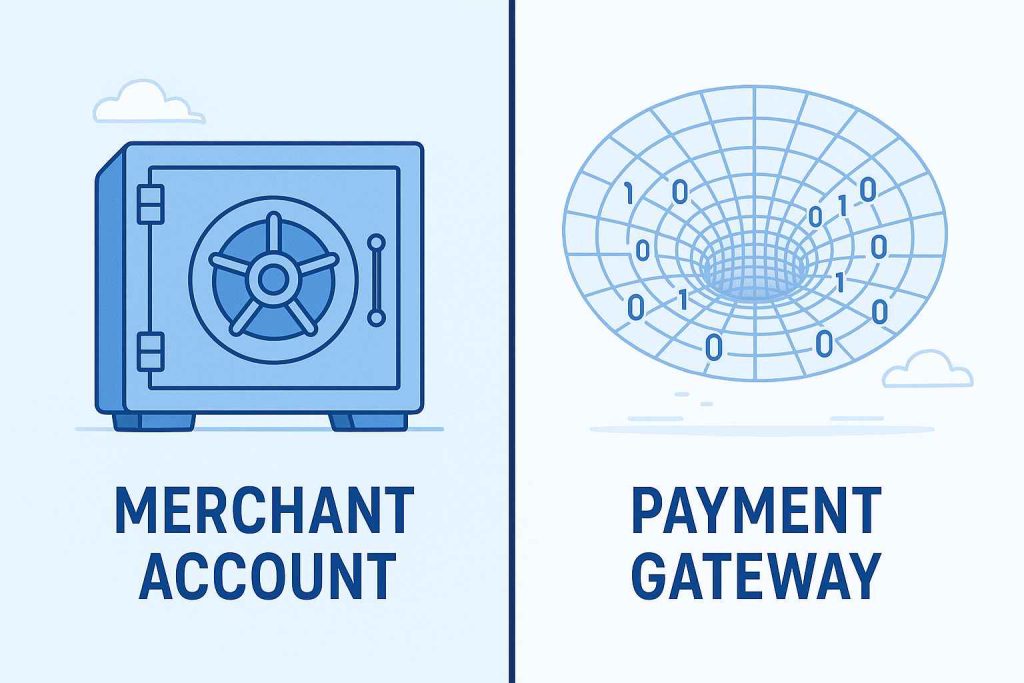
Merchant Account vs. Payment Gateway: Understanding the Difference
This is where confusion often arises. While merchant accounts and payment gateways work together seamlessly, they serve distinctly different functions in the payment ecosystem.
The Merchant Account: The Financial Hub
As we’ve discussed, the merchant account is the actual financial account that holds and processes transaction funds. It’s maintained by an acquiring bank or payment processor and is subject to banking regulations. The merchant account:
- Holds your business credentials and banking relationships
- Manages fund settlement and transfers
- Bears responsibility for transaction risk and compliance
- Charges processing fees based on transaction volume
- Provides financial reporting and reconciliation
Without a merchant account, there’s nowhere for payment funds to be processed or temporarily held.
The Payment Gateway: The Digital Conduit
The payment gateway is the technology platform that securely transmits payment information between your website, the merchant account, and the card networks. It’s essentially sophisticated software that:
- Encrypts sensitive payment data on your checkout page
- Provides the user interface customers interact with
- Performs initial fraud screening checks
- Routes transaction data to your merchant account
- Returns approval or decline responses to your website
- Can integrate with shopping carts and e-commerce platforms
Think of it this way: the merchant account is like a bank branch that processes checks, while the payment gateway is like the secure envelope and courier service that safely delivers those checks to the branch.
Why You Need Both
You cannot process online payments with just one or the other:
- A merchant account alone has no way to securely capture payment information from your website
- A payment gateway alone has no financial institution to process and settle transactions
Most payment service providers offer bundled solutions that include both the merchant account and gateway technology, which simplifies setup for business owners. However, some businesses choose to maintain separate providers for each service, depending on their specific needs and negotiating power.
Practical Example
When a customer buys a product from your online store:
- Payment Gateway: Captures the card details on your checkout page and encrypts them
- Merchant Account: Receives the encrypted data and processes the authorization request
- Payment Gateway: Displays “Payment Approved” or “Payment Declined” to the customer
- Merchant Account: Settles the funds and transfers money to your business account
Both components are essential, but they handle completely different aspects of the payment process.
Unlock Faster International Payment Approvals
Unlock smooth and secure international payments with our platform. Experience faster approvals, easy setup, and comprehensive support for global transactions. Take your business to new markets without delays or complicated processes.
Get Started NowKey Features of E-commerce Merchant Accounts
Not all merchant accounts are created equal. Understanding the essential features helps you evaluate providers and choose the right solution for your business needs.
Multi-Currency Support
If you serve international customers, your merchant account should handle transactions in multiple currencies. This feature allows customers to pay in their local currency while you receive funds in your preferred currency, with automatic conversion handled by the payment processor. Cross-border payment standards continue evolving to make international commerce more accessible.
Recurring Billing Capability
For subscription-based businesses or services with regular billing cycles, automated recurring payments are essential. Your merchant account should support:
- Scheduled automatic charges at set intervals
- Automatic retry logic for declined payments
- Customer notification systems for upcoming charges
- Easy modification of subscription terms and amounts
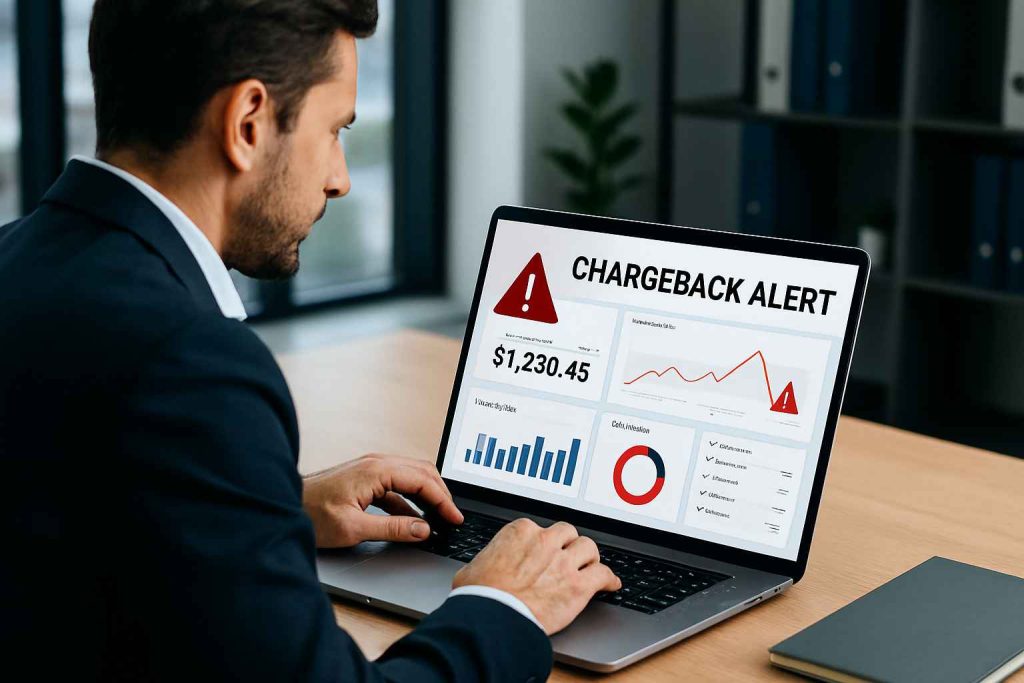
Chargeback Management
Chargebacks occur when customers dispute transactions with their card issuer. While some chargebacks are legitimate (fraud, merchant error), others are friendly fraud where customers abuse the system. Your merchant account should provide:
- Clear chargeback notification processes
- Deadline tracking for response submissions
- Document management for evidence gathering
- Chargeback ratio monitoring to avoid account penalties
High chargeback rates (typically above 1% of transactions) can result in penalties, increased fees, or account termination, so effective management tools are critical.
Fraud Prevention Tools
Quality merchant accounts include built-in fraud detection and prevention features:
- Real-time screening that flags suspicious transactions based on patterns
- Velocity checks that limit rapid-fire purchases from single sources
- Geolocation verification that identifies location mismatches
- Device fingerprinting that tracks purchase device characteristics
- Customizable rules that let you set transaction limits and filters
These tools reduce your fraud exposure while minimizing false positives that could block legitimate customers.
Integration Capabilities
Your merchant account should integrate smoothly with:
- Popular e-commerce platforms (Shopify, WooCommerce, Magento, etc.)
- Accounting software (QuickBooks, Xero, FreshBooks)
- Customer relationship management (CRM) systems
- Inventory management platforms
- Marketing and analytics tools
Seamless integration reduces manual data entry, improves accuracy, and provides comprehensive business insights.
Reporting and Analytics
Comprehensive reporting features help you understand your payment operations:
- Daily, weekly, and monthly transaction reports
- Settlement and funding summaries
- Decline rate analysis to identify checkout problems
- Customer payment behavior insights
- Tax reporting documentation
- Reconciliation tools for accounting purposes
These analytics inform business decisions and help optimize your payment acceptance strategies.
Common Challenges with E-commerce Merchant Accounts
While merchant accounts are essential, they come with considerations and potential obstacles that business owners should understand upfront.
Application and Approval Process
Obtaining a merchant account isn’t automatic. Providers conduct risk assessments that examine:
- Your business type and industry (some industries are considered “high-risk”)
- Credit history of business owners
- Business financial history and projected volumes
- Existing chargeback or fraud history
- Business model and customer acquisition methods
High-risk industries—such as supplements, adult entertainment, travel services, or businesses with high average transaction values—may face more stringent approval requirements, higher fees, or mandatory reserve accounts.
New businesses without established transaction history might need to provide additional documentation, accept lower processing limits initially, or work with specialized high-risk processors.
Fee Structures and Costs
Merchant account pricing can be complex and varies significantly between providers. Common fee components include:
- Transaction fees: Percentage of each sale plus a flat fee (e.g., 2.9% + $0.30)
- Monthly account fees: Fixed charges for account maintenance
- Gateway fees: Separate charges for payment gateway services
- Chargeback fees: Penalties when disputes occur ($15-$25 per chargeback)
- PCI compliance fees: Annual or monthly charges for security standards
- Statement fees: Monthly charges for detailed reporting
- Early termination fees: Penalties for breaking contract terms
Understanding the complete fee structure before signing agreements prevents unwelcome surprises. Some providers use interchange-plus pricing (more transparent) while others use tiered pricing (potentially more expensive but simpler to understand).
Reserve Requirements
Some merchant account providers require businesses to maintain cash reserves—a percentage of your transactions held in a separate account as protection against chargebacks, refunds, or business closure. Reserve requirements typically apply to:
- New businesses without established history
- High-risk industries
- Businesses with previous chargeback issues
- International merchants
- High-volume processors
Reserves can be rolling (holding a percentage of each day’s transactions for a set period) or fixed (maintaining a set dollar amount). While reserves protect the processor, they can impact your cash flow and working capital.
Account Holds and Frozen Funds
Payment processors can place holds on your merchant account or freeze incoming funds if they detect:
- Sudden spikes in transaction volume
- Unusual transaction patterns suggesting fraud
- Excessive chargebacks or customer complaints
- Violations of terms of service
- Suspected illegal activity
While these measures protect against fraud and risk, they can be devastating for legitimate businesses experiencing natural growth or seasonal spikes. Clear communication with your provider and maintaining detailed business records helps prevent or quickly resolve such issues.
PCI DSS Compliance Requirements
The Payment Card Industry Data Security Standard (PCI DSS) establishes security requirements for any business that stores, processes, or transmits cardholder data. Compliance is mandatory, not optional.
Requirements include:
- Maintaining secure networks and systems
- Protecting stored cardholder data with encryption
- Maintaining vulnerability management programs
- Implementing strong access control measures
- Regular monitoring and testing of networks
- Maintaining information security policies
Non-compliance can result in fines, increased processing fees, or loss of payment processing privileges. Fortunately, most modern payment gateways handle PCI compliance on your behalf when you use hosted checkout pages that keep card data off your servers.
Technical Integration Complexity
While many merchant account providers offer plug-and-play solutions for popular e-commerce platforms, custom integrations can be technically challenging. Issues include:
- API documentation that’s difficult to understand
- Testing environments that don’t fully replicate production
- Handling edge cases like partial refunds or failed authorizations
- Managing webhook notifications for transaction updates
- Ensuring mobile-responsive checkout experiences
Businesses with custom websites or unique requirements may need developer assistance to properly integrate merchant account services.
Best Practices for Managing Your E-commerce Merchant Account
Successful payment processing goes beyond simply having a merchant account. These practices help optimize performance, minimize costs, and maintain healthy provider relationships.
Maintain Accurate Business Information
Keep your merchant account profile updated with:
- Current business address and contact information
- Updated ownership structure or business entity changes
- Accurate product/service descriptions
- Realistic processing volume projections
- Current website URL and customer service information
Outdated information can trigger security reviews or account holds. Proactive communication with your provider about business changes prevents disruptions.
Monitor Transaction and Chargeback Metrics
Regularly review your account performance metrics:
- Overall transaction approval rates
- Decline reasons and patterns
- Chargeback ratios and trends
- Average ticket sizes
- Refund rates
Identifying problems early allows you to address underlying issues before they escalate into account penalties or termination. Most providers have acceptable chargeback thresholds (usually under 1%); exceeding these can result in fines or account closure.
Implement Clear Business Policies
Reduce chargebacks and disputes with transparent policies:
- Clear return and refund policies prominently displayed
- Accurate product descriptions that match customer expectations
- Visible customer service contact information on all pages
- Recognizable billing descriptors that appear on customer statements
- Confirmation emails that document transaction details
Many chargebacks result from customer confusion rather than fraud. Clear communication prevents these preventable disputes.
Optimize Your Checkout Process
Reduce cart abandonment and improve approval rates:
- Minimize required form fields to only essential information
- Provide multiple payment options beyond just credit cards
- Display security badges to build customer trust
- Offer guest checkout without forced account creation
- Mobile-optimize the entire payment flow
- Show clear error messages when transactions fail
Small friction points in checkout can significantly impact conversion rates. Regular testing and optimization pay dividends.
Document Everything
Maintain thorough records of all transactions, customer communications, and shipping confirmations. In chargeback disputes, documentation is your primary defense. Save:
- Order confirmation emails
- Shipping tracking numbers and delivery confirmations
- Customer service interaction logs
- Product descriptions and screenshots
- Terms of service and policy acknowledgments
Organized documentation helps you win disputes and demonstrates professionalism to payment processors.
Stay Informed About Industry Changes
Payment processing regulations, security standards, and technology evolve constantly. Stay current with:
- PCI DSS requirement updates
- New fraud prevention technologies
- Changes in card network rules
- Emerging payment methods (digital wallets, buy-now-pay-later)
- Consumer protection regulations
Proactive adaptation to industry changes keeps your business compliant and competitive.
Build Relationships with Your Provider
Your merchant account provider is a business partner, not just a vendor. Maintain open communication:
- Inform them of promotional campaigns or expected volume spikes
- Ask questions when fees or policies seem unclear
- Request analysis if your approval rates drop unexpectedly
- Discuss options if your business model evolves
- Provide feedback about service quality or technical issues
Providers are more willing to work with merchants who communicate proactively and maintain good standing.
Who Needs an E-commerce Merchant Account?
Understanding whether a merchant account is right for your business depends on your specific situation, volume, and growth plans.
Online Retailers and E-commerce Stores
This is the most obvious category. If you sell physical products through a website, you need a merchant account to accept card payments. This includes:
- Boutique shops selling clothing, accessories, or handmade goods
- Electronics and technology retailers
- Home goods and furniture stores
- Specialty food and beverage sellers
- Health and beauty product retailers
Product-based businesses typically have straightforward merchant account needs with standard pricing and risk profiles.
Digital Product and Software Sellers
Companies selling intangible goods have unique merchant account requirements:
- Software as a Service (SaaS) providers
- Digital download marketplaces (ebooks, music, courses)
- Stock photo and design asset platforms
- Membership sites and online communities
- Mobile app developers
These businesses often need recurring billing capabilities and must carefully manage the higher chargeback risks associated with digital goods.
Service-Based Online Businesses
Professional services delivered remotely also require merchant accounts:
- Online coaching and consulting
- Virtual education and training
- Design and creative services
- Legal and accounting services
- Marketing and advertising agencies
Service businesses may have higher average transaction values and longer delivery timelines, which can affect merchant account risk assessments.
Subscription and Membership Models
Businesses with recurring revenue models have specific needs:
- Streaming services and content platforms
- Box subscription services (meal kits, beauty boxes, etc.)
- Fitness and wellness programs
- Professional associations and clubs
- Software subscriptions
These businesses require merchant accounts with robust recurring billing management, automatic retry logic, and dunning process capabilities.
Marketplace and Multi-Vendor Platforms
Platform businesses that facilitate transactions between buyers and sellers need sophisticated merchant account setups:
- Freelance marketplaces
- Handmade goods platforms
- Service booking platforms
- Rental and sharing economy platforms
Marketplaces often use split payment functionality where a single transaction is divided between the platform’s fee and the vendor’s payment, requiring advanced merchant account features.
When Alternative Solutions Might Work
Some very small or hobby businesses might not need a dedicated merchant account. Payment aggregators like PayPal, Square, or Stripe offer bundled services that combine merchant account functionality, payment gateway, and processing into a single platform.
These aggregators work well for:
- Businesses with very low transaction volumes
- Side hustles testing product-market fit
- Seasonal or occasional sellers
- Those who want minimal setup complexity
However, aggregators typically charge higher per-transaction fees and offer less control and customization than dedicated merchant accounts. As businesses grow, transitioning to a dedicated merchant account usually becomes more cost-effective.
Regulatory and Compliance Considerations
Operating a merchant account requires adherence to various regulations and standards designed to protect consumers and maintain payment system integrity.
Payment Card Industry Data Security Standard (PCI DSS)
We’ve mentioned PCI DSS several times, but its importance cannot be overstated. This global security standard applies to all businesses that accept card payments, regardless of size.
Compliance levels are based on annual transaction volumes:
- Level 1: Over 6 million transactions annually (most stringent requirements)
- Level 2: 1-6 million transactions annually
- Level 3: 20,000-1 million e-commerce transactions annually
- Level 4: Under 20,000 e-commerce transactions annually
Most small to medium businesses fall into Levels 3 or 4, which require annual Self-Assessment Questionnaires (SAQ) and quarterly network scans. Using a hosted payment page or tokenization service significantly reduces your PCI compliance burden by keeping sensitive card data off your servers.
Anti-Money Laundering (AML) Requirements
The Bank Secrecy Act and USA PATRIOT Act require payment processors to implement Anti-Money Laundering programs. While these obligations primarily fall on the acquiring bank, merchant account holders must:
- Verify business identity during application
- Report suspicious transaction activities
- Maintain accurate business information
- Cooperate with investigations if requested
- Implement reasonable fraud prevention measures
Unusually large transactions, rapid movement of funds, or patterns suggesting money laundering can trigger reviews or reporting requirements.
Know Your Customer (KYC) Regulations
KYC procedures verify the identity of business owners and assess business legitimacy. Merchant account applications typically require:
- Government-issued identification for business owners
- Business registration documents
- Tax identification numbers
- Business address verification
- Bank account ownership verification
These requirements comply with federal regulations designed to prevent fraud, identity theft, and financial crimes.
Consumer Protection Laws
Federal regulations protect consumers in payment transactions:
- Fair Credit Billing Act: Allows customers to dispute billing errors
- Electronic Fund Transfer Act: Establishes rights and liabilities for electronic payments
- Consumer Financial Protection Bureau rules: Oversee payment service providers
- Truth in Lending Act: Requires clear disclosure of payment terms
Understanding these consumer rights helps you implement policies that comply with legal requirements and reduce disputes.
Data Privacy Regulations
If you collect customer payment information, you must comply with data privacy laws:
- General Data Protection Regulation (GDPR): Applies if you serve EU customers
- California Consumer Privacy Act (CCPA): Applies to California residents
- State-level privacy laws: Growing number of states implementing privacy regulations
These laws regulate how you collect, store, use, and disclose customer data, including payment information. Many merchant account providers offer GDPR and CCPA-compliant tools to help businesses meet these obligations.
State and Local Regulations
Some states impose additional requirements on payment processors or specific industries. For example:
- States may require money transmitter licenses for certain business models
- Local business licenses may be required
- Industry-specific regulations apply to certain verticals
Consulting with legal advisors familiar with your jurisdiction ensures full compliance with all applicable regulations.
Conclusion
An e-commerce merchant account is far more than a technical requirement for accepting online payments—it’s the financial foundation that enables your business to operate in the digital marketplace. By temporarily holding and processing customer card payments, merchant accounts bridge the gap between your customers’ banks and your business account while maintaining security, compliance, and fraud protection.
Understanding how merchant accounts work, what features to prioritize, and how they differ from payment gateways empowers you to make informed decisions about your payment infrastructure. While the application process can be complex and fee structures vary widely, the right merchant account provides reliability, scalability, and the professional credibility that customers expect from online businesses.
Success with merchant accounts comes from choosing providers that match your business needs, maintaining compliance with industry standards, implementing clear customer policies, and monitoring account performance consistently. Whether you’re launching a new online store or scaling an established business, your merchant account capabilities will directly impact customer satisfaction, operational efficiency, and bottom-line profitability.
Take time to research providers, compare fee structures, evaluate features, and read merchant account agreements carefully. The upfront investment in understanding these systems pays long-term dividends in reduced costs, fewer payment problems, and stronger customer relationships. With the right foundation in place, you can focus on what matters most: growing your business and serving your customers effectively.
Unlock Faster International Payment Approvals
Unlock smooth and secure international payments with our platform. Experience faster approvals, easy setup, and comprehensive support for global transactions. Take your business to new markets without delays or complicated processes.
Get Started NowFrequently Asked Questions (FAQs)
1. How long does it take to get approved for an e-commerce merchant account?
Approval timelines vary based on your business profile and the provider’s review process. Low-risk businesses with clean credit and established operations can receive approval within 24-48 hours. High-risk businesses, new companies without processing history, or applications with complex ownership structures may take 7-14 days or longer. Providing complete documentation upfront and responding quickly to provider questions accelerates the process.
2. What’s the difference between a merchant account and a business bank account?
A business bank account is your standard checking or savings account where your company’s money is deposited and from which you pay expenses. A merchant account is a specialized transactional account specifically designed to process credit and debit card payments. Money doesn’t stay in a merchant account long-term—it’s processed and then transferred to your business bank account, usually within 1-3 business days.
3. Can I use one merchant account for multiple websites or businesses?
This depends on your provider’s policies and your business structure. Some providers allow multiple domains under a single merchant account if they’re owned by the same legal entity and sell similar products. However, running completely different businesses or selling in different industries typically requires separate merchant accounts. Using one account for multiple unrelated businesses can violate terms of service and create processing complications.
4. What happens if my merchant account is terminated?
Merchant account termination can occur due to excessive chargebacks, fraud violations, terms of service breaches, or business model changes. When terminated, you lose the ability to process card payments through that provider. You’ll need to apply with a new provider, which can be challenging if termination was due to problematic account performance. Some terminations result in placement on the MATCH list (Member Alert to Control High-Risk Merchants), which makes obtaining new accounts extremely difficult. Always maintain good standing and communicate with providers about potential issues before they escalate.
5. Are there merchant accounts specifically for high-risk businesses?
Yes, specialized high-risk merchant account providers work with industries that traditional processors avoid, such as supplements, CBD products, travel services, subscription boxes, adult entertainment, and businesses with high chargeback potential. High-risk accounts typically charge higher processing fees (often 4-8% compared to 2-3% for low-risk), require cash reserves, and impose stricter monitoring. However, they provide essential payment processing access for businesses that can’t qualify for standard accounts.
6. How do chargebacks affect my merchant account?
Chargebacks occur when customers dispute transactions with their card issuer. Each chargeback typically costs $15-$25 in fees, regardless of whether you win the dispute. More importantly, your chargeback ratio (chargebacks divided by total transactions) is closely monitored. Ratios above 1% can trigger warnings, increased fees, or account termination. Maintaining clear policies, excellent customer service, detailed documentation, and recognizable billing descriptors helps minimize chargebacks.
7. Do I need a merchant account if I use Shopify or WooCommerce?
E-commerce platforms offer integrated payment solutions, but you still need either a merchant account or access to a payment aggregator. Shopify Payments and WooCommerce Payments are actually merchant account services integrated into the platform. Alternatively, you can connect a third-party merchant account provider to these platforms. Using the platform’s built-in solution is usually easier, but connecting your own merchant account may offer better rates for high-volume businesses.
8. What information do customers see on their credit card statement?
Customers see a billing descriptor—typically your business name, a phone number, and sometimes your location. This descriptor is set when your merchant account is established. Using a recognizable descriptor that matches your business name prevents customer confusion that can lead to chargebacks. If customers don’t recognize the charge, they may dispute it as fraud. Some providers allow you to customize descriptors, including adding order numbers or short product descriptions.
9. Can I accept international payments with a US-based merchant account?
Most US merchant accounts can process international cards, though capabilities vary by provider. Key considerations include:
- Currency conversion: Decide whether to charge in USD or local currency
- Cross-border fees: Additional charges often apply to international transactions
- Fraud risk: International transactions typically have higher fraud rates
- Compliance: Ensure adherence to international payment regulations
Businesses with significant international sales may benefit from merchant accounts specifically designed for global commerce, which offer better rates and features for cross-border transactions.
10. What should I do if my transaction approval rate is low?
Low approval rates (below 85-90%) indicate problems that need investigation:
- Contact your processor: They can provide decline reason codes
- Check for technical issues: Integration problems can cause failed authorizations
- Review fraud filters: Overly aggressive settings may block legitimate transactions
- Analyze decline patterns: Identify whether specific card types, amounts, or customer locations are being rejected
- Optimize checkout: Remove unnecessary friction points that cause customers to enter incorrect information
Your merchant account provider should offer tools and analytics to help diagnose and fix approval rate problems.
References & Resources
To learn more about payment processing, e-commerce merchant accounts, and related regulations, consult these authoritative resources:
Payment Industry Standards and Compliance
- PCI Security Standards Council – Official PCI DSS documentation and resources
- Payment Card Industry (PCI) Compliance Guide – Standards for protecting cardholder data
Federal Financial Regulations
- Financial Crimes Enforcement Network (FinCEN) – AML requirements and guidance for payment processors
- Federal Trade Commission – Business Guidance – Consumer protection and fair business practices
- Consumer Financial Protection Bureau (CFPB) – Payment system oversight and consumer rights
Banking and Payment Systems
- Federal Reserve – Payment Systems – Overview of US payment infrastructure
- Bank for International Settlements – Payment Systems – Global payment standards and cross-border guidance
Card Network Resources
- Visa – Official merchant guidelines and compliance documentation
- Mastercard – Merchant rules, procedures, and security standards
- American Express – Merchant policies and processing requirements
- Discover – Merchant operating regulations
Data Privacy and Security
- National Institute of Standards and Technology (NIST) – Cybersecurity framework and best practices
- International Association of Privacy Professionals (IAPP) – Data protection resources and regulatory guidance
Industry Organizations
- Electronic Transactions Association (ETA) – Trade association for payment processing industry
- Merchant Risk Council – Fraud prevention and risk management resources
Disclaimer: This article provides general educational information about e-commerce merchant accounts and should not be considered legal, financial, or professional advice. Payment processing regulations, requirements, and industry practices vary by jurisdiction and change over time. Always consult with qualified financial advisors, legal professionals, and your specific merchant account provider for guidance tailored to your business situation.