Payment processing is one of the most critical operational foundations for any business. For adult-oriented businesses, however, selecting a merchant account is rarely straightforward. Regulatory scrutiny, higher perceived risk, and inconsistent provider policies often create confusion for business owners trying to operate legitimately and sustainably.
Many adult businesses struggle not because their services are unlawful, but because payment providers apply stricter underwriting standards, impose unexpected account freezes, or terminate services without clear explanations. This creates operational uncertainty and long-term financial risk.
Understanding how merchant accounts work in the adult industry—and what providers evaluate during approval—is essential for making informed decisions. Without this clarity, businesses may choose unsuitable providers, overlook compliance obligations, or underestimate risk exposure.
This guide explains how merchant accounts for adult businesses differ from standard accounts, what factors matter most during provider selection, and which common pitfalls to avoid. The goal is to help business owners approach payment processing strategically, responsibly, and with long-term stability in mind.
Key Takeaways: What You’ll Learn From This Guide
1. Why adult businesses are categorized as high-risk
2. How merchant account underwriting works in regulated industries
3. What compliance factors providers evaluate
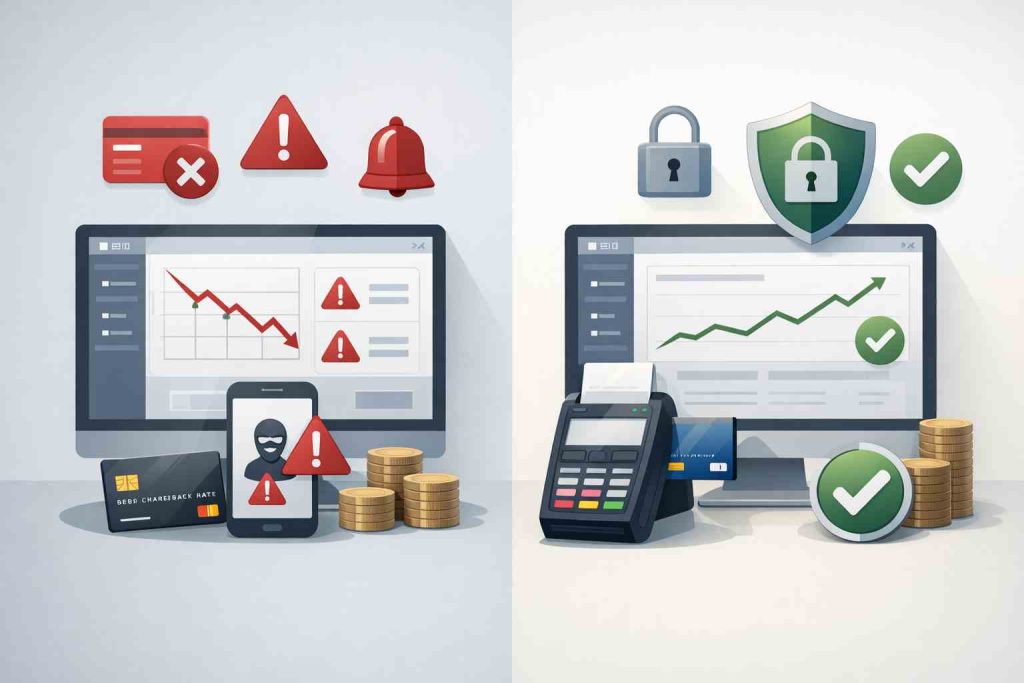
4. How chargebacks affect account stability
5. Why policy transparency matters more than pricing
6. Common mistakes that lead to account termination
7. How reserve policies impact cash flow
8. The role of regulatory frameworks in payment processing
9. How to assess provider suitability objectively
Understanding Merchant Accounts in the Adult Industry
A merchant account allows a business to accept card-based payments by acting as an intermediary between the business, the payment network, and the acquiring bank. In adult industries, these accounts are often categorized as high-risk, not necessarily due to illegality, but because of elevated chargeback rates, regulatory oversight, and content sensitivity.
Payment networks and financial institutions operate under rules set by organizations such as the Federal Reserve and global card associations, which require providers to assess financial, legal, and reputational risk.
As a result, adult businesses face more stringent underwriting, ongoing monitoring, and compliance requirements than mainstream industries.
Key Factors to Consider When Choosing a Merchant Account Provider
Industry Acceptance and Policy Transparency
Not all payment providers support adult-related business models. Some advertise broad acceptance but quietly restrict certain content types. Reviewing publicly available acceptable use policies and underwriting guidelines is essential before applying.
Transparent providers clearly outline:
- Supported business categories
- Prohibited content types
- Compliance expectations
This reduces the risk of sudden account termination.
Unlock Faster International Payment Approvals
Unlock smooth and secure international payments with our platform. Experience faster approvals, easy setup, and comprehensive support for global transactions. Take your business to new markets without delays or complicated processes.
Get Started NowRegulatory and Legal Compliance Support
Adult businesses must comply with multiple regulatory frameworks, including age verification, consent documentation, and content classification standards. Providers familiar with these obligations are better equipped to manage risk responsibly.
Helpful reference points include Federal Trade Commission guidelines and U.S. Department of Justice compliance resources.
Chargeback and Dispute Management
Chargebacks are more common in adult industries due to privacy concerns, billing descriptor confusion, and subscription models. A suitable merchant account should offer structured dispute handling and clear reporting.
Industry best practice frameworks, such as those referenced by payment risk management standards, help businesses monitor and control dispute ratios.
Funding Stability and Reserve Policies
Many providers impose rolling reserves or delayed settlements to manage risk. While this is common, unclear reserve terms can create cash flow problems.
Businesses should understand:
- Reserve percentage and duration
- Release conditions
- Settlement timelines
Clear documentation is a sign of a professionally managed account.
Common Challenges and Operational Risks
Adult businesses frequently encounter:
- Sudden account freezes due to policy interpretation changes
- Inconsistent enforcement of content guidelines
- Difficulty scaling payment volumes
- Limited access to traditional financial services
These challenges are not necessarily signs of wrongdoing but reflect heightened oversight in regulated environments. Planning for these realities helps reduce operational disruption.
Unlock Faster International Payment Approvals
Unlock smooth and secure international payments with our platform. Experience faster approvals, easy setup, and comprehensive support for global transactions. Take your business to new markets without delays or complicated processes.
Get Started NowBest Practices for Long-Term Stability
Experienced operators often follow these principles:
- Maintain transparent business documentation
- Use clear billing descriptors and refund policies
- Monitor chargeback ratios proactively
- Keep compliance records readily available
- Review provider communications regularly
Following recognized industry best practice resources and professional compliance frameworks supports sustainable operations.
Use Cases: Who This Guidance Is For
This information applies broadly to:
- Online adult content platforms
- Subscription-based digital services
- Niche entertainment businesses
- Independent publishers and creators
- Businesses expanding into regulated markets
The principles remain consistent regardless of size or business model.
Frequently Asked Questions
Why are adult businesses considered high-risk?
Due to higher chargeback rates, regulatory oversight, and content sensitivity, not illegality.
Can adult businesses legally accept card payments?
Yes, provided they comply with applicable laws and payment network standards.
Are merchant account freezes common?
They can occur if compliance requirements are unclear or policies change unexpectedly.
Do all providers require reserves?
Many do, but terms vary widely depending on risk assessment.
How important is age verification?
It is a critical compliance requirement and often reviewed during underwriting.
Can poor chargeback ratios lead to termination?
Yes, sustained high dispute levels increase account risk.
Is transparency more important than low fees?
For regulated industries, operational stability often outweighs cost savings.
Should businesses review provider policies regularly?
Yes, policy updates can directly affect account eligibility.
Are regulations the same across all states?
No, state-level requirements may differ and should be reviewed carefully.
Conclusion
Choosing the right merchant account for an adult business is not about finding shortcuts—it’s about understanding risk, compliance, and long-term operational responsibility. Providers that prioritize transparency, regulatory alignment, and risk management create more stable environments for legitimate businesses.
By focusing on education, documentation, and informed decision-making, adult businesses can build payment infrastructures that support growth while respecting industry standards and consumer protection principles.
References & Resources
- Federal Reserve – Payment System Oversight
- Federal Trade Commission – Consumer Protection
- U.S. Department of Justice – Regulatory Guidance
- Industry Payment Risk Management Resources
Authoritative reference materials and professional compliance frameworks