

Running an adult entertainment business in today’s digital economy requires more than just great content and marketing. Behind every successful subscription platform, cam site, dating service, or adult digital business lies a critical infrastructure component that many merchants struggle with: payment processing.
If you’ve ever had your merchant account shut down without warning, faced sky-high processing fees, or been denied by multiple payment providers, you’re not alone. Adult businesses operate in what the financial industry classifies as “high-risk,” which creates unique challenges that standard e-commerce merchants never encounter.
This guide walks you through everything you need to know about adult payment processing—from understanding why your industry faces these obstacles to building a compliant, sustainable payment infrastructure that protects your revenue and keeps your business running smoothly for years to come.
What Is Adult Payment Processing and Why Is It Considered High-Risk?
Adult payment processing refers to the specialized financial services that enable adult entertainment businesses to accept credit cards, debit cards, and other electronic payments from customers. Unlike traditional retail or service businesses, adult merchants require processors who understand the unique regulatory landscape, risk profile, and compliance requirements of the industry.
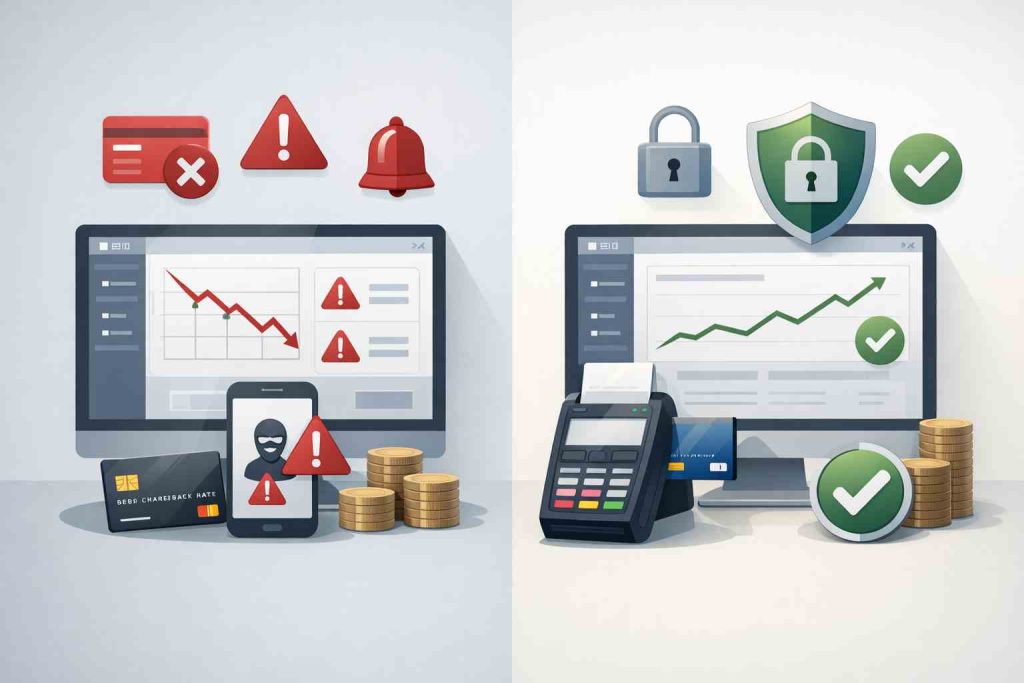
The “high-risk” designation isn’t a judgment on the legitimacy of your business. Instead, it reflects several measurable factors that banks and payment processors consider:
Chargeback Rates: Adult businesses historically experience higher chargeback ratios than mainstream merchants. Customers sometimes dispute charges due to billing descriptor confusion, buyer’s remorse, or attempts to hide purchases from partners or family members. Even a 1-2% chargeback rate—which might seem reasonable—is significantly higher than the 0.5% threshold most traditional merchants maintain.
Reputational Risk: Major card brands and issuing banks are cautious about their association with adult content. While perfectly legal, adult entertainment carries potential PR concerns that financial institutions factor into their risk assessments.
Regulatory Scrutiny: Adult businesses face intense oversight regarding age verification, content compliance, and record-keeping requirements. The intersection of payment processing and content regulation creates compliance complexity that standard merchants don’t navigate.
Fraud Vulnerability: Adult sites attract fraudulent activity, from stolen credit cards to synthetic identity fraud. The digital, intangible nature of adult content means fraudsters can access services immediately, making chargebacks harder to dispute.
International Complexity: Many adult businesses serve global audiences, creating cross-border payment challenges, currency conversion issues, and varying legal frameworks across jurisdictions.
This high-risk classification means you’ll face more stringent underwriting, higher processing fees, mandatory reserves, and ongoing monitoring that mainstream businesses don’t experience. Understanding these realities upfront helps you build realistic expectations and choose partners equipped to support your specific needs.

How Adult Merchant Accounts Work: A Step-by-Step Breakdown
Securing and maintaining an adult merchant account involves several interconnected components working together. Here’s how the system functions:
Step 1: Application and Underwriting
When you apply for an adult merchant account, underwriters conduct extensive due diligence on your business. They examine your business model, projected processing volume, average transaction size, website content, age verification methods, refund policies, customer service capabilities, and ownership background.
Unlike standard applications that might be approved in hours, adult merchant underwriting typically takes several days to weeks. Underwriters are assessing whether your business demonstrates the operational maturity and compliance infrastructure to process payments responsibly.
Step 2: Risk Assessment and Pricing
Based on your risk profile, processors determine your pricing structure. Adult merchants typically pay higher rates than standard retail businesses—often 5-10% per transaction compared to 2-3% for traditional e-commerce. You may also face setup fees, monthly minimums, statement fees, and gateway charges.
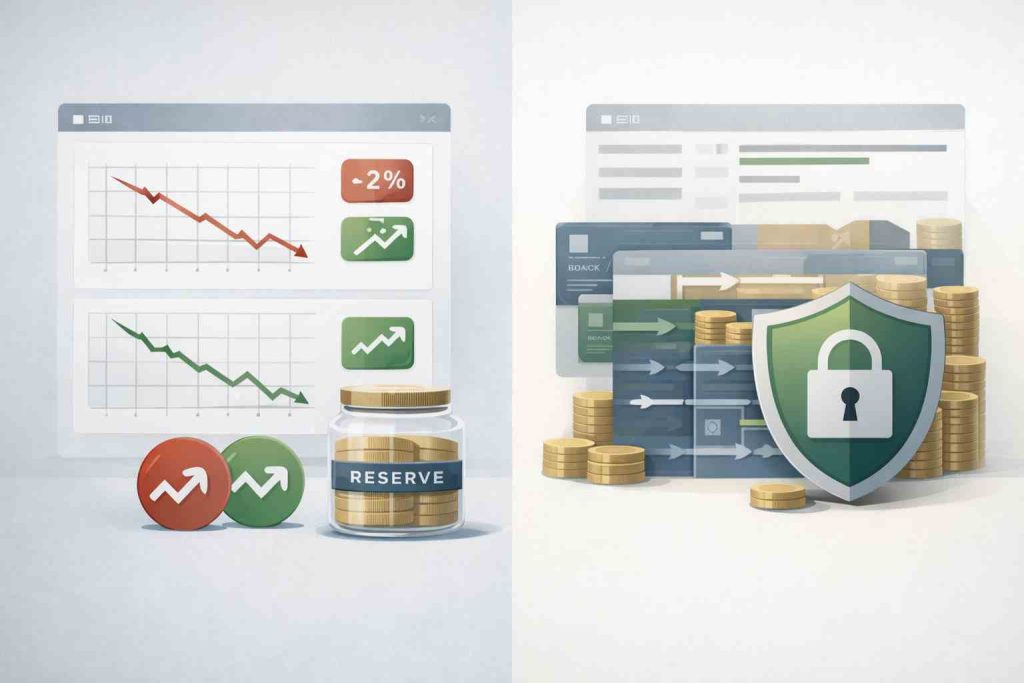
Many processors also require a rolling reserve, where they hold 5-20% of your monthly processing volume for 90-180 days as protection against chargebacks and fraud. While this impacts cash flow, it’s standard practice for high-risk industries and protects both parties.
Step 3: Account Activation and Integration
Once approved, you’ll receive credentials to integrate your payment gateway with your platform. This involves connecting your website or application to the gateway’s API, implementing proper encryption and security protocols, and testing the entire transaction flow.
For adult businesses, this integration phase is critical. Your payment pages must clearly display billing descriptors, terms of service, and refund policies to minimize confusion that leads to chargebacks.
Step 4: Transaction Processing
When a customer makes a purchase, the transaction flows through several checkpoints. The payment gateway captures the card information, encrypts it, and sends it to your processor. The processor communicates with the card network (Visa or Mastercard), which routes the authorization request to the customer’s issuing bank.
The bank approves or declines based on available funds, fraud screening, and card restrictions. If approved, funds are authorized and the transaction completes. This entire process happens in seconds.
Step 5: Settlement and Funding
Approved transactions settle in batches, typically at the end of each business day. After settlement, funds move from the card networks through your processor to your merchant account, minus fees and any reserve amounts. Most adult merchants receive funding within 2-7 business days, though timelines vary by processor.
Step 6: Ongoing Monitoring and Compliance
Your processor continuously monitors your account for chargeback ratios, fraud patterns, transaction velocity changes, and compliance issues. If metrics exceed acceptable thresholds or red flags emerge, you may face account reviews, additional reserves, or processing restrictions.
This monitoring isn’t punitive—it’s protective. Card networks impose strict monitoring programs on high-risk industries, and processors must demonstrate active oversight to maintain their own processing privileges.

Common Challenges Adult Businesses Face With Banks and Processors
The path to stable payment processing is rarely straightforward for adult merchants. Understanding common obstacles helps you navigate them more effectively:
Sudden Account Terminations: Many adult merchants experience abrupt account closures, often with minimal explanation. Sometimes this results from changes in processor risk appetite, card network pressure, or compliance issues the merchant wasn’t aware existed. These shutdowns can devastate businesses, cutting off revenue streams overnight.
Application Rejections: Traditional payment processors and banks frequently decline adult merchant applications outright. Many large processors have explicit policies excluding adult content, forcing merchants toward a smaller pool of specialized providers.
Hidden Fees and Unfavorable Terms: Some processors targeting desperate adult merchants impose exploitative fees, unclear contracts, or unreasonable terms. Without competitive alternatives, merchants sometimes accept unfavorable arrangements just to keep processing payments.
Reserve Holds and Cash Flow Constraints: Aggressive reserve requirements can trap significant capital, making it difficult to invest in growth, pay performers and content creators, or manage operational expenses. Some merchants face reserve percentages exceeding 20%, severely limiting working capital.
Chargeback Penalties: Excessive chargeback fees compound the problem when disputes occur. Beyond losing the transaction amount and product, merchants pay $25-100 per chargeback. When ratios climb above acceptable thresholds, processors may freeze accounts or demand additional reserves.
Limited International Processing: Many processors restrict which countries you can accept payments from, limiting your global reach. Others accept international transactions but with significantly higher fees or increased scrutiny.
Lack of Processor Transparency: Communication breakdowns are common. Merchants struggle to get clear answers about why metrics triggered reviews, what specific compliance improvements are needed, or how to restore processing privileges after restrictions.
The volatility creates an environment where even successful, compliant businesses live in constant fear of losing payment processing—the lifeblood of their operations.

Regulatory Landscape: Card Network Rules and Compliance Requirements
Adult payment processing doesn’t exist in a vacuum. Multiple layers of regulation govern how you can operate:
Visa and Mastercard Mandates
Both major card networks impose specific requirements on adult merchants beyond standard processing rules. These include mandatory transaction monitoring, enhanced customer authentication, clear billing descriptors (often requiring “adult” or similar warnings), explicit refund and cancellation policies displayed before purchase, and detailed record-keeping of all transactions and customer interactions.
Visa’s Integrity Risk Program and Mastercard’s monitoring initiatives specifically target adult merchants, setting lower chargeback thresholds and stricter compliance standards than other industries face.

Age Verification Requirements
Federal law requires adult websites to verify that all individuals depicted in content are over 18 and that all viewers accessing explicit content are legally aged. While payment processors don’t directly enforce content compliance, they increasingly require evidence of robust age verification systems as a condition of processing.
This means implementing technologies like age verification gateways, identity document checking, or third-party verification services. Failing to demonstrate adequate age controls can result in account termination.
Content Compliance and Record-Keeping
Under 18 U.S.C. 2257, producers of adult content must maintain detailed records including performer identification, age verification documentation, and content catalogs. While this federal statute primarily targets content producers, payment processors often require proof of compliance before approving merchant accounts.
Processors need assurance that they’re facilitating payments for legal content only. Your ability to demonstrate thorough compliance infrastructure directly impacts your approval odds and processing stability.
PCI DSS Security Standards
The Payment Card Industry Data Security Standard applies to all businesses accepting card payments, but adult merchants face heightened scrutiny. Full PCI compliance requires secure networks, encryption of transmitted data, anti-malware systems, access controls, regular security testing, and comprehensive information security policies.
Most adult merchants must complete at least PCI Level 2 validation (processing 1-6 million transactions annually) or Level 1 (over 6 million transactions), involving quarterly network scans and annual assessments by approved security assessors.
State-Specific Regulations
Some U.S. states have implemented additional age verification requirements for adult websites. Merchants must stay current on evolving legislation that could affect how they verify customer age, display content warnings, or process payments.
International Regulations
If you serve global customers, you must navigate varied legal frameworks including the EU’s General Data Protection Regulation (GDPR) for customer data protection, the UK’s Age Verification requirements, and country-specific adult content regulations that may restrict your ability to serve certain markets.

Chargebacks, Fraud Risks, and Monitoring Programs
Chargebacks represent one of the most serious threats to adult merchant account stability. Understanding how they work and how to minimize them is essential:
Why Adult Merchants Face Higher Chargeback Rates
Several factors contribute to elevated dispute rates. Billing descriptor confusion occurs when customers don’t recognize charges on statements, especially if the descriptor doesn’t clearly indicate adult content. Buyer’s remorse leads customers to dispute legitimate purchases, sometimes claiming they never made the transaction. Privacy concerns cause customers to dispute charges to hide purchases from partners or family. Friendly fraud happens when customers deliberately dispute legitimate charges to get free content or services.
The True Cost of Chargebacks
Beyond losing the sale revenue and any costs associated with providing the content or service, you’ll pay $25-100 in chargeback fees to your processor. If chargeback ratios exceed 1%, you may enter card network monitoring programs. Excessive chargebacks can trigger account termination or placement on the MATCH list (Member Alert to Control High-Risk Merchants), making it nearly impossible to secure processing elsewhere.
Card Network Monitoring Programs
Visa’s Fraud Monitoring Program (VFM) and Chargeback Monitoring Program (VCMP), along with Mastercard’s Excessive Chargeback Merchant (ECM) program, set strict thresholds. Generally, merchants must maintain chargeback ratios below 0.9% and fraud-to-sales ratios below 0.9%. Exceeding these triggers enrollment in monitoring programs, bringing fines, heightened scrutiny, and potential processing termination.
Fraud Prevention Strategies
Effective fraud prevention requires multiple layers of protection. Implement Address Verification Service (AVS) to match billing addresses with card issuer records. Use Card Verification Value (CVV) checks to confirm customers possess physical cards. Deploy device fingerprinting to identify patterns of fraudulent activity across multiple attempts. Set velocity controls limiting transaction frequency from individual cards or IP addresses. Use geo-blocking to prevent transactions from countries with high fraud rates. Implement 3D Secure (3DS) authentication adding an extra verification layer for cardholders.
Chargeback Prevention Best Practices
Proactive prevention significantly reduces dispute rates. Use clear, recognizable billing descriptors that explicitly indicate adult content. Display prominent terms of service, refund policies, and subscription renewal terms before purchase. Provide easily accessible customer service with visible contact information to resolve issues before they become disputes. Send detailed email receipts immediately after transactions. Implement clear cancellation processes for subscriptions. Monitor for duplicate transactions and process refunds promptly when legitimate issues arise.
When disputes do occur, respond quickly with comprehensive evidence including transaction logs, IP addresses, delivery confirmation, terms acceptance records, and communication history. Strong representment can win many disputes, but prevention remains more effective than fighting chargebacks after they occur.

Security Requirements: Protecting Customer Data and Your Business
Security isn’t optional for adult merchants—it’s a fundamental requirement for processing payments and protecting your business:
PCI DSS Compliance
Full Payment Card Industry compliance involves twelve comprehensive requirements covering network security, data protection, vulnerability management, access controls, monitoring, and security policies. Adult merchants typically need annual PCI assessments and quarterly network vulnerability scans.
While compliance can seem burdensome, it protects both your customers and your business. Data breaches devastate merchant reputations, trigger massive fines, and often result in immediate processing termination.
Tokenization and Encryption
Never store actual credit card numbers in your systems. Instead, use tokenization—replacing sensitive card data with non-sensitive tokens that have no value outside your payment ecosystem. All data transmission between your website and payment gateway must use strong encryption (TLS 1.2 or higher).
Data Minimization
Collect and retain only the customer information absolutely necessary for transactions and compliance. The less sensitive data you store, the lower your risk exposure if security incidents occur.
Access Controls
Restrict system access to only those employees who genuinely need it for their roles. Implement strong authentication, including multi-factor authentication for administrative access. Regularly audit access logs to detect unauthorized activity.
Regular Security Assessments
Conduct vulnerability scans, penetration testing, and security audits regularly—not just when PCI compliance deadlines approach. Proactive security posture identification and remediation prevents breaches before they happen.
Incident Response Planning
Despite best efforts, security incidents can occur. Have documented procedures for detecting, containing, and recovering from breaches, including notification protocols for affected customers, processors, and regulatory authorities.
Security investments protect your processing capabilities, customer trust, and business longevity. Processors closely monitor security practices, and demonstrated security maturity significantly improves your standing with underwriters and account managers.

Payment Gateways Suitable for Adult Websites
Your payment gateway serves as the technology interface between your website and the broader payment processing infrastructure. Choosing the right gateway matters significantly for adult merchants:
What to Look for in Adult-Friendly Gateways
First and foremost, the gateway must explicitly support adult content—many popular gateways prohibit adult merchants in their terms of service. Beyond acceptance, evaluate integration flexibility with robust APIs supporting your platform architecture. Consider the recurring billing capabilities essential for subscription businesses, including automatic retry logic for failed renewals. Look for fraud prevention tools built directly into the gateway platform. Assess the reporting and analytics provided for monitoring transactions, chargebacks, and revenue trends. Evaluate customer support quality and responsiveness—when payment issues arise, you need quick assistance.
Technical Integration Considerations
Modern gateways offer hosted payment pages, where customers redirect to the gateway’s secure page for payment (reducing your PCI scope), or direct API integration giving you complete control over the payment experience (requiring higher PCI compliance). Many adult merchants prefer hosted pages initially to minimize compliance burden, then migrate to direct integration as they scale.
Ensure your gateway supports strong customer authentication including 3D Secure 2.0, which reduces fraud and shifts chargeback liability to card issuers for authenticated transactions. While adding friction to checkout, the fraud reduction benefits often outweigh conversion impacts.
Mobile Optimization
With significant adult content consumption happening on mobile devices, your payment flow must work flawlessly across screen sizes and devices. Test checkout extensively on various mobile platforms to ensure smooth experiences that don’t abandon customers mid-purchase.
Alternative Payment Methods
While credit and debit cards remain dominant, consider gateways supporting alternative payment methods popular in adult industries. Cryptocurrency payments offer privacy and reduce chargeback risk, though they introduce volatility and tax complexity. E-wallets and ACH/direct bank transfers provide additional options for customers hesitant to use cards on adult sites.
The gateway you choose impacts everything from conversion rates to fraud exposure to compliance burden. Invest time in selecting one designed for the unique requirements of adult payment processing.

Global Payments and Cross-Border Processing Considerations
Adult content’s global audience creates significant revenue opportunities—but also substantial payment complexity:
Currency Considerations
Processing in local currencies (dynamic currency conversion) often improves conversion rates by showing customers prices in familiar currencies. However, it introduces foreign exchange risk and typically costs 1-3% in conversion fees beyond standard processing rates.
Decide whether to price in USD/EUR and let customer banks handle conversion, or offer local pricing for major markets. Most adult merchants start with USD pricing, then add local currencies for their top international markets as they scale.
Geographic Risk Assessment
Not all international transactions carry equal risk. Countries with high fraud rates, weak banking systems, or significant friendly fraud problems should be approached cautiously. Many processors allow you to set geographic restrictions, blocking transactions from high-risk regions entirely.
Balance revenue opportunity against fraud exposure. If a country generates significant legitimate traffic but also high fraud or chargebacks, consider requiring additional authentication steps for customers from that region rather than blocking them entirely.
Regulatory Compliance Across Borders
Different countries have varying legal frameworks around adult content, age verification, data protection, and payment processing. Ensure you understand and comply with regulations in markets you serve. The EU’s GDPR, for example, imposes strict requirements on how you collect, store, and process customer data from European customers.
Some countries restrict or prohibit adult content entirely, creating legal liability if you intentionally serve those markets. Work with legal counsel familiar with international adult entertainment law to navigate this complex landscape.
International Banking Relationships
Cross-border processing typically requires processors with international acquiring relationships—the ability to settle transactions through banks in multiple countries. Not all adult-friendly processors offer robust international capabilities, limiting your global growth if you choose a US-only provider.
If international revenue represents a significant portion of your business model, prioritize processors demonstrating strong international acquiring networks and experience supporting global adult merchants.

Best Practices to Get Approved and Stay Approved Long-Term
Success in adult payment processing requires more than just submitting an application—it demands operational excellence and continuous compliance:
Application Best Practices
Present your business professionally with a complete, polished website demonstrating operational maturity. Ensure your site includes clear terms of service, privacy policies, refund policies, age verification mechanisms, and accessible customer support information before applying.
Be completely transparent in your application. Disclose your business model honestly, provide accurate processing volume projections, and explain your compliance infrastructure. Underwriters appreciate honesty and view attempts to hide or minimize risk factors negatively.
Have your documentation organized and ready including business registration documents, processing history (if you have it), bank statements, identification for all business principals, and a detailed business plan explaining your model, target market, and growth projections.
Operational Excellence
Once approved, maintaining your account requires consistent attention to key metrics. Monitor your chargeback ratio weekly—never let it approach 0.9%. Track fraud patterns and adjust prevention measures proactively. Review transaction data regularly for unusual patterns that might indicate fraud or policy violations.
Invest in robust customer service. Many chargebacks result from customers unable to reach support to resolve issues. Provide multiple contact methods (email, phone, live chat), respond quickly, and empower support staff to resolve problems before they escalate to disputes.
Compliance as Culture
Make compliance everyone’s responsibility, not just a checklist. Train staff on age verification requirements, content compliance, data security, and fraud prevention. Document all policies and procedures. Conduct regular internal audits to ensure compliance isn’t slipping as you scale.
Stay current on regulatory changes. Card network rules, state laws, and international regulations evolve constantly. Subscribe to industry publications, join adult merchant associations, and maintain relationships with compliance consultants who can alert you to relevant changes.
Communication with Your Processor
Maintain open communication with your processor’s account management team. If you’re launching new products, expanding to new markets, or expecting significant volume increases, inform them in advance rather than surprising them with sudden changes that trigger risk reviews.
When issues arise—a chargeback spike, fraud attack, or compliance question—reach out proactively. Processors appreciate merchants who identify problems early and seek guidance rather than waiting until metrics trigger automatic restrictions.
Diversification Strategy
Sophisticated adult merchants eventually diversify payment processing across multiple providers. While not feasible initially due to setup costs and reserve requirements, establishing backup processing relationships protects against single-point-of-failure risk.
If your primary processor experiences technical issues or unexpectedly terminates your account, backup processing capabilities keep revenue flowing while you resolve problems or transition to new providers.
Common Mistakes Adult Merchants Make and How to Avoid Them
Learning from others’ mistakes is cheaper than making them yourself. Here are critical errors that frequently damage adult merchants:
Poor Billing Descriptor Management
Using vague or misleading billing descriptors confuses customers and drives chargebacks. Your descriptor should clearly indicate adult content—yes, this might occasionally cause issues with customers hiding purchases, but the clarity dramatically reduces billing descriptor disputes.
Inadequate Age Verification
Relying on simple checkboxes claiming users are 18+ provides no real protection. Implement actual age verification mechanisms, document your processes, and retain verification records. This protects you legally and satisfies processor compliance requirements.
Ignoring Customer Service
Under-investing in customer support is penny-wise and pound-foolish. The cost of a support representative is tiny compared to the cumulative cost of preventable chargebacks and the catastrophic cost of losing your merchant account due to excessive dispute ratios.
Unclear Subscription Terms
Hidden trial periods, ambiguous renewal terms, or difficult cancellation processes generate chargebacks and customer frustration. Display subscription terms prominently, send clear renewal reminders, and make cancellation straightforward—even if it means losing some subscription revenue short-term.
Reactive Rather Than Proactive Compliance
Waiting until your processor flags compliance issues before addressing them puts you on thin ice. Build strong compliance infrastructure from day one and maintain it consistently, regardless of whether your processor is actively monitoring that particular aspect.
Chasing the Lowest Rates
Choosing processors based solely on the lowest quoted rates often backfires. Ultra-low rates may come with hidden fees, poor support, unstable processing, or predatory contracts. Evaluate the total cost of processing including stability, support quality, and long-term reliability.
Neglecting Security Investments
Viewing security as unnecessary expense rather than essential infrastructure leaves you vulnerable. Data breaches destroy businesses—through regulatory fines, customer trust loss, and immediate processing termination. Security investments always cost less than breach consequences.
Failing to Monitor Metrics
Operating blind without watching chargeback ratios, fraud rates, and transaction patterns means you won’t see problems until they’ve triggered processor actions. Implement dashboards monitoring key metrics daily so you can identify and address issues immediately.
Real-World Scenarios: Learning from Merchant Experiences
Understanding how challenges manifest in actual business situations helps you recognize and avoid similar pitfalls:
Scenario 1: The Subscription Platform That Ignored Renewal Transparency
A subscription-based adult video site offered a $1 three-day trial converting to $29.95 monthly. The trial terms appeared in small print during signup but weren’t prominently displayed. Renewal reminder emails went to spam for many customers.
When subscriptions renewed, customers didn’t recognize the charges and disputed them as unauthorized. Within two months, chargebacks climbed to 2.1%—more than twice the acceptable threshold. The processor placed the account under review, implemented a 20% rolling reserve, and threatened termination if ratios didn’t improve within 30 days.
The merchant implemented prominent trial term displays, double opt-in confirmation emails, renewal reminders sent five days before billing, and simplified cancellation processes. Chargebacks dropped to 0.7% over the following quarter, and the reserve requirement was eventually reduced. The lesson: transparency prevents problems cheaper than fixing them afterward.
Scenario 2: The Cam Platform That Neglected Fraud Prevention
A live cam platform focused on customer acquisition, viewing fraud prevention tools as obstacles to conversion. They disabled AVS checking and CVV requirements to reduce declined legitimate transactions.
Fraud rings discovered the vulnerability and began testing stolen cards through low-value transactions. Once validated, they’d load larger amounts onto accounts. The platform processed $185,000 in fraudulent transactions over ten days before detection.
When chargebacks flooded in, the processor immediately froze the merchant account pending investigation. The rolling reserve was insufficient to cover losses, triggering additional reserve requirements of $95,000. The merchant nearly failed before securing emergency financing.
After implementing comprehensive fraud prevention—device fingerprinting, velocity controls, AVS/CVV requirements, and manual review of suspicious transactions—fraud dropped to less than 0.3%. The painful lesson cost nearly $120,000 in chargebacks, fees, and opportunity cost.
Scenario 3: The International Site That Ignored Geographic Risk
An adult dating platform aggressively expanded internationally without geographic risk assessment. They accepted transactions from all countries equally, viewing any restriction as limiting growth potential.
Certain Eastern European and Southeast Asian countries generated high volumes of fraudulent transactions and friendly fraud. Chargebacks from these regions ran above 3%, while other markets maintained healthy 0.5% ratios.
The processor flagged the elevated overall chargeback ratio and restricted processing until the merchant addressed geographic risk. By implementing country-based risk controls—blocking the highest-risk markets entirely and requiring 3DS authentication for moderate-risk regions—overall chargebacks fell below 0.8%.
The merchant learned that not all revenue is good revenue, and that disciplined risk management protects profitability better than unrestricted growth.

Future Trends in Adult Payment Processing
The adult payment processing landscape continues evolving. Understanding emerging trends helps you position your business for long-term success:
Enhanced Age Verification Technology
Regulatory pressure is increasing for more robust age verification beyond simple disclaimers. Expect wider adoption of identity verification technology, biometric age estimation, and third-party verification services. Merchants demonstrating proactive age verification implementation will have competitive advantages in securing and maintaining processing relationships.
Blockchain and Cryptocurrency Integration
While cryptocurrency adoption in adult payments has been slower than predicted, privacy-focused customers increasingly seek these options. Crypto payments offer reduced chargeback risk and privacy protection, though they introduce complexity around volatility, tax reporting, and regulatory compliance.
Expect continued development of stablecoin solutions and improved cryptocurrency payment gateways designed specifically for adult merchants over the coming years.
Artificial Intelligence in Fraud Detection
Machine learning systems are becoming increasingly sophisticated at identifying fraudulent patterns in real-time. Processors and merchants adopting AI-driven fraud prevention can detect and prevent fraud more effectively than rule-based systems, reducing losses while minimizing false positives that frustrate legitimate customers.
Open Banking and Alternative Payment Methods
Bank transfer-based payments through open banking initiatives offer lower fees and reduced chargeback risk compared to card payments. As these systems mature and gain consumer acceptance, adult merchants may find them attractive alternatives or complements to traditional card processing.
Subscription Economy Maturation
As subscription business models continue dominating adult digital content, expect enhanced tools for subscription management, dunning (failed payment recovery), and customer retention. Processors increasingly offer sophisticated subscription features recognizing this is the dominant revenue model.
Regulatory Evolution
Both government and card network regulations continue evolving around adult content, age verification, content compliance, and payment processing. Staying ahead of regulatory changes rather than reacting after implementation provides competitive advantages and processing stability.
Building Your Long-Term Payment Processing Strategy
Success in adult payment processing isn’t about finding shortcuts or the cheapest rates—it’s about building sustainable infrastructure that protects your business and supports your growth:
Choose specialized processors with demonstrated experience in adult industries, understanding your unique challenges and regulatory requirements. Evaluate partners based on stability, support quality, compliance expertise, and long-term reliability rather than just pricing.
Invest in compliance infrastructure from day one, making it a core business function rather than an afterthought. Strong compliance protects your processing capabilities, reduces risk exposure, and demonstrates operational maturity to processors and card networks.
Prioritize customer experience and transparency in all payment interactions. Clear communication, accessible support, and honest billing practices prevent chargebacks more effectively than any after-the-fact dispute management strategy.
Build relationships with your payment partners. Communicate openly, seek guidance when launching new initiatives, and demonstrate you’re a responsible merchant managing risk seriously. Processors support merchants who approach processing as partnerships rather than adversarial relationships.
Stay informed about industry developments, regulatory changes, and emerging best practices. Join adult merchant communities, attend industry conferences, and invest in continuing education around payment processing, compliance, and risk management.

Partner with Experienced Payment Professionals Who Understand Your Business
Adult payment processing doesn’t have to be an endless cycle of account terminations, excessive chargebacks, and compliance anxiety. While your industry faces unique challenges, thousands of adult merchants successfully process millions in payments monthly through stable, compliant infrastructure.
The difference between merchants who thrive and those who struggle often comes down to choosing the right payment processing partner—one with deep experience in adult industries, established relationships with card networks and acquiring banks, comprehensive compliance support, and a genuine commitment to your long-term success.
Don’t settle for processors who view your business as inherently problematic or temporary. Don’t accept exploitative fees justified by your industry classification. And don’t operate without the expertise and support necessary to navigate this complex landscape successfully.
Your payment processing infrastructure is too critical to leave to chance or settle for inadequate partners. If you’re launching a new adult business, struggling with your current processor, or simply want to ensure you’re building on solid ground for long-term growth, it’s time to work with payment professionals who specialize in your industry.
Connect with a payment processing partner who understands that adult entertainment is a legitimate business deserving professional service, competitive pricing, and the stability you need to focus on growth rather than constantly worrying about your payment processing. Your business deserves a processing relationship built on expertise, transparency, and mutual success.
The foundation of every successful adult digital business is reliable, compliant payment processing. Build yours right from the start, or rebuild it right if your current situation isn’t serving your needs. Your future revenue depends on it.
Frequently Asked Questions About Adult Payment Processing
Getting Started
Q: Will my personal credit affect my ability to get an adult merchant account?
A: Yes, personal credit matters, especially for new businesses without established processing history. Underwriters typically check credit scores for all business principals (owners with 25%+ ownership). However, poor credit isn’t automatically disqualifying. If you have credit challenges but demonstrate strong business fundamentals—solid website, clear compliance measures, reasonable projections, and adequate capital—many specialized adult processors will still work with you, though possibly with higher reserves or fees initially. Be upfront about credit issues in your application rather than hoping they won’t be discovered.
Q: I got rejected by three payment processors already. Am I blacklisted?
A: Rejections don’t automatically blacklist you, but they do raise red flags for subsequent processors who can see your application history. However, many rejections happen simply because you applied to mainstream processors with explicit “no adult content” policies. Focus on processors who specifically work with adult merchants. If you were rejected by adult-friendly processors, address the specific concerns raised—whether that’s improving your website’s compliance, clarifying your business model, or strengthening your financial documentation—before reapplying elsewhere.
Q: Can I just use PayPal or Stripe for my adult site?
A: No. Both PayPal and Stripe explicitly prohibit adult content in their acceptable use policies and will terminate accounts immediately upon discovery, often freezing your funds for 180 days. Many adult merchants have lost tens of thousands of dollars trying this approach. Even if you initially slip through without detection, you’ll eventually be caught and lose everything in your account. You must use processors that explicitly allow adult content, even though their fees are higher. The stability is worth the cost.
Q: Do I need a separate business bank account, or can I use my personal account?
A: You absolutely need a dedicated business bank account. Processors require business accounts for settlements, and mixing business and personal finances creates tax nightmares, complicates accounting, and looks unprofessional to underwriters. Additionally, many banks have policies against personal accounts receiving adult entertainment revenue. Set up a proper business entity (LLC or corporation) and open a business account before applying for payment processing.
Costs and Fees
Q: What will payment processing actually cost me per month?
A: Expect to pay 6-12% of gross revenue in total processing costs for adult merchants. This includes per-transaction fees (typically 5-10% plus $0.25-0.50 per transaction), monthly gateway fees ($25-100), monthly account fees ($25-75), chargeback fees ($25-100 each), and potentially PCI compliance fees ($100-300 annually). For example, if you process $50,000 monthly at 7% with 10 chargebacks, you’re looking at roughly $4,000 in processing costs plus gateway and account fees. Higher-risk business models (cam sites, dating) typically pay more than lower-risk models (established membership sites).
Q: What’s a rolling reserve and how much will be held?
A: A rolling reserve is when your processor holds 5-20% of each day’s transactions for 90-180 days before releasing it to you. This protects them against future chargebacks. For example, with a 10% reserve held for 180 days, if you process $30,000 monthly, they’ll hold $3,000 each month. After 180 days, you’ll have $18,000 constantly held in reserve. Yes, this significantly impacts cash flow, especially when starting. Reserve percentages depend on your risk profile—new merchants typically face 15-20%, while established merchants with good metrics might negotiate down to 5-10%.
Q: Can I negotiate lower rates after I’ve been processing for a while?
A: Yes, absolutely. After 6-12 months of maintaining low chargeback ratios (under 0.5%), minimal fraud, and consistent volume, you have leverage to negotiate. Document your metrics and approach your processor about rate reductions or lower reserves. If they won’t negotiate, you can shop around—processors compete for stable, low-risk adult merchants. However, don’t switch processors solely for 0.5% rate differences if you have a good relationship; stability is often worth more than marginal savings.
Technical and Compliance
Q: Do I really need age verification, or can I just use a simple “I’m 18+” checkbox?
A: Simple checkboxes provide zero real protection and won’t satisfy processor compliance requirements. You need legitimate age verification—either through identity document verification, credit card verification (since cards require 18+ age), or third-party age verification services. Processors increasingly require evidence of robust age verification before approving accounts, and weak verification can trigger account termination. Yes, verification adds friction and costs $0.05-0.50 per verification, but it’s legally required and protects your processing capabilities. Budget for it.
Q: What happens if my site gets hacked or has a data breach?
A: A data breach is catastrophic. Your processor will immediately terminate your account. You’ll face mandatory breach notifications to affected customers, potential lawsuits, regulatory fines potentially reaching hundreds of thousands of dollars, and placement on industry blacklists making it nearly impossible to process payments again. Card networks may fine your processor up to $500,000, who will pass those costs to you. This is why PCI compliance and security investments are non-negotiable. Invest in proper security infrastructure, conduct regular audits, and maintain cyber liability insurance. Prevention costs far less than breach consequences.
Q: Can I accept cryptocurrency instead of credit cards to avoid all these issues?
A: Cryptocurrency offers advantages—true anonymity for customers, zero chargebacks, no card network rules—but it’s not a complete solution. Only 2-5% of consumers currently use crypto, so you’d lose 95%+ of potential customers by accepting only crypto. Additionally, crypto introduces volatility risk (Bitcoin might drop 10% between when customer pays and when you convert to cash), tax reporting complexity, and regulatory uncertainty. Best approach: accept both credit cards and crypto, letting customers choose. Use crypto as a supplement, not replacement, for traditional payment processing.
Account Issues
Q: My processor just froze my account with $40,000 in it. What are my rights?
A: Review your merchant agreement carefully—most include provisions allowing processors to hold funds for 90-180 days if accounts are terminated or if chargeback exposure exists. Unfortunately, you have limited immediate recourse. You can request specific documentation showing why funds are held, work with the processor to resolve compliance issues if that’s the cause, or consult with a payment processing attorney if you believe the hold violates your contract. Best protection is prevention: maintain compliant operations, keep chargeback ratios low, and consider diversifying across multiple processors so no single termination cripples your entire business.
Q: I got placed on the MATCH list. Can I ever process payments again?
A: The MATCH list (Member Alert to Control High-Risk Merchants) is a five-year blacklist maintained by Mastercard, and yes, it makes getting approved incredibly difficult. However, “difficult” doesn’t mean impossible. Some specialized high-risk processors will work with MATCH-listed merchants, though with significantly higher fees, larger reserves, and stricter monitoring. You can also request MATCH list removal if you were listed in error or if the listing processor agrees (rare). After five years, you’re automatically removed. Focus on addressing whatever caused the listing—excessive chargebacks, fraud, compliance violations—so you can demonstrate you’ve resolved those issues.
Q: My processor gave me 7 days notice they’re terminating my account. What do I do?
A: Act immediately. First, stop all marketing and new customer acquisition to minimize orphaned transactions. Contact backup processors urgently—explain the situation honestly and ask about emergency approval timelines. Begin migrating your active subscriptions to the new processor (most processors can import subscription data). Communicate transparently with customers about any potential service interruptions. Document everything about why the termination happened so you can address those concerns with new processors. Unfortunately, seven days is extremely tight, which is why maintaining backup processor relationships before emergencies is critical.
Business Operations
Q: Should I operate as a sole proprietor or form an LLC/corporation?
A: Form an LLC or corporation. Operating as a sole proprietor in adult entertainment exposes your personal assets to business liabilities, which is extremely risky given chargeback exposure, potential lawsuits, and regulatory compliance requirements. Most processors prefer or require incorporated businesses. An LLC costs $100-500 to form depending on your state and provides crucial liability protection. It also looks more professional to processors, banks, and customers. Consult with an attorney and accountant about the best structure for your specific situation, but don’t operate as a sole proprietor.
Q: Can I process payments for other adult websites as a third party?
A: This is called being a Payment Service Provider (PSP) or payment aggregator, and it’s extremely high-risk. You’re liable for all chargebacks, fraud, and compliance violations from every site you process for. You need significantly higher capitalization, specialized processing agreements, extremely robust compliance infrastructure, and typically can’t start this way—you need years of processing experience first. If you’re considering this model, consult with specialized payment processing attorneys and prepare for substantial startup costs and regulatory complexity. Most new merchants should focus on processing for their own sites only.
Q: How do I handle international customers without getting destroyed by fraud?
A: Implement geographic risk-based controls. Start by accepting only Tier 1 countries (US, Canada, UK, Western Europe, Australia) where fraud rates are manageable. As you gain experience reading fraud patterns, gradually expand to Tier 2 markets (Eastern Europe, Latin America, parts of Asia) with enhanced verification requirements like mandatory 3D Secure authentication. Block or heavily restrict high-fraud countries entirely unless you have specific legitimate demand that justifies the risk. Use fraud prevention tools like device fingerprinting and IP geolocation. Monitor country-specific chargeback ratios weekly and restrict markets where ratios exceed 1.5%.
Q: Should I handle all customer service myself or outsource it?
A: Initially, handle it yourself or keep it in-house. Customer service directly impacts your chargeback ratios, which control whether you keep processing capabilities. You need to deeply understand customer complaints, refund requests, and confusion points. Outsourced support often lacks urgency about preventing chargebacks and may provide inconsistent service that frustrates customers into disputing charges. Once you thoroughly understand your support needs and have documented procedures, you can consider outsourcing to specialized adult industry support providers—but never to generic offshore call centers unfamiliar with your industry’s unique considerations.
Growing Your Business
Q: When should I consider getting a second payment processor?
A: After you’ve maintained stable processing for 6-12 months with good metrics (low chargebacks, minimal fraud, consistent volume). Having backup processing protects against single-point-of-failure risk—technical issues, sudden account reviews, or unexpected terminations won’t completely kill your revenue. The challenge is that maintaining multiple processors requires significant capital (reserves at each), technical integration effort, and careful transaction routing. Most merchants wait until processing $100,000+ monthly before diversifying, but if your business is mission-critical income, consider backup processing earlier.
Q: My volume is growing fast. Will my processor support scaling or will I hit limits?
A: Communicate volume growth proactively with your processor. Sudden unexplained volume spikes trigger fraud alerts and account reviews. If you’re planning a major marketing campaign or expect significant growth, notify your processor 2-4 weeks in advance explaining the reasons. They may increase your processing limits preemptively or simply monitor more closely during the growth period. Processors generally want you to grow—they make more money—but they need to assess whether your compliance infrastructure, fraud prevention, and customer service capabilities can scale proportionally with volume.
Q: What metrics should I track daily to keep my merchant account healthy?
A: Monitor these metrics religiously: Daily chargeback count and ratio (must stay under 0.9%, ideally under 0.6%). Daily fraud/declined transaction rates. Average transaction size (sudden changes indicate fraud). New customer vs. returning customer ratios. Customer service volume and response times. Refund rates. Geographic distribution of transactions (watching for fraud patterns). Subscription renewal success rates. Set up alerts that notify you when any metric exceeds acceptable thresholds so you can investigate and address issues before they escalate into processor concerns.